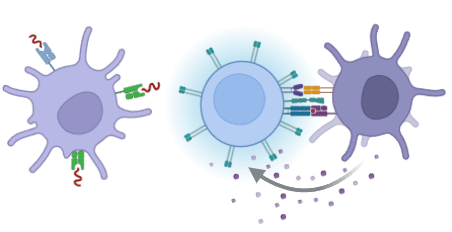

For the immune system to function effectively, it must first recognize that a threat exists. This responsibility falls to a group of specialized immune cells that continuously monitor the body’s tissues for signs of infection, injury, and foreign substances. Among the most important of these cells are dendritic cells, which act as sentinels of the immune system by detecting potential threats and communicating this information to other immune cells. Through this unique ability, dendritic cells serve as the critical bridge between the body’s immediate innate immune response and the highly specific adaptive immune response, ensuring that the appropriate defenses are activated when needed.
Although dendritic cells represent only a small proportion of the body’s immune cells, they play an indispensable role in protecting human health. Their primary function is to detect foreign substances, process this information, and initiate the appropriate immune response. By coordinating communication between the innate immune system, which provides an immediate but relatively non-specific defense, and the adaptive immune system, which generates highly specific and long-lasting immunity, dendritic cells ensure that the body’s defenses respond efficiently to invading pathogens. Without their ability to coordinate these responses, the immune system would be far less effective at recognizing and eliminating infection.
The importance of dendritic cells was not fully appreciated until their discovery in 1973 by immunologists Ralph Steinman and Zanvil Cohn. While studying cells within the spleen, they identified a previously unknown population of immune cells possessing long, branching projections unlike those observed in other white blood cells. At the time, little was understood about their function. Over the following decades, however, researchers demonstrated that these cells possessed an extraordinary ability to activate T lymphocytes and initiate adaptive immune responses. This discovery transformed our understanding of immunology and revealed dendritic cells to be one of the immune system’s most effective antigen-presenting cells. In recognition of this groundbreaking work, Ralph Steinman was awarded the Nobel Prize in Physiology or Medicine in 2011 for the discovery of dendritic cells and their central role in immune regulation.

As research into dendritic cells has continued, scientists have uncovered their involvement in nearly every aspect of immunity. These cells not only help protect the body against infections but also contribute to immune tolerance, allergy, autoimmune disease, and even the body’s response to cancer. Their unique ability to determine whether the immune system should mount an aggressive defense or remain tolerant toward harmless substances has made dendritic cells one of the most extensively studied immune cells in modern medicine.
The name dendritic cell originates from the Greek word dendron, meaning “tree.” This name reflects the cell’s distinctive appearance, as mature dendritic cells possess numerous long, branching surface projections that resemble the branches of a tree or the dendrites of nerve cells. These projections greatly increase the cell’s surface area, allowing it to efficiently interact with surrounding tissues and neighboring immune cells. Although these extensions contribute to the cell’s unique appearance under the microscope, they are also important for carrying out the cell’s immune functions.
Dendritic cells are distributed throughout most tissues of the body. However, they are especially abundant in locations where the body frequently encounters the external environment. Large populations of dendritic cells are found within the skin, the lining of the respiratory tract, and throughout the gastrointestinal tract. These tissues represent the body’s primary points of contact with the outside world and therefore experience constant exposure to microorganisms, allergens, food particles, and other foreign substances. By positioning themselves at these interfaces, dendritic cells are among the first immune cells to encounter potentially harmful agents entering the body.

Their location within these tissues is not accidental. Before the immune system can respond to an infection, it must first detect that a foreign substance has entered the body. Dendritic cells function as the body’s surveillance system, continuously monitoring their surroundings for signs of infection or tissue damage. Unlike many immune cells that remain relatively stationary until activated, dendritic cells are highly motile and constantly move through surrounding tissues, allowing them to examine large areas for potential threats. This continuous surveillance enables them to detect invading microorganisms at an early stage, often before the infection has spread extensively.
As dendritic cells travel through tissues, they continuously sample the surrounding environment by taking in small quantities of extracellular material. This process allows them to examine both the body’s own molecules and substances originating from outside the body. The material they collect contains proteins and other biological molecules that provide valuable information regarding the condition of nearby tissues.
Dendritic cells utilize several different mechanisms to internalize these materials. One method is phagocytosis, a process in which the cell surrounds and engulfs relatively large particles, including bacteria, dead cells, and cellular debris. Another mechanism is receptor-mediated endocytosis, in which specialized receptors on the cell surface recognize specific molecules and selectively bring them into the cell. Dendritic cells also perform pinocytosis, often referred to as “cell drinking,” whereby they continuously absorb small amounts of the surrounding extracellular fluid along with the dissolved molecules it contains. Each of these processes allows dendritic cells to gather information about their environment in slightly different ways, ensuring that they can detect a wide variety of substances.

Not every substance collected by dendritic cells represents a threat. In fact, much of the material they encounter originates from the body’s own tissues. Normal cellular turnover continually produces dead cells and cellular fragments that must be removed safely. These materials are referred to as self antigens because they originate from the body itself. Dendritic cells also encounter foreign antigens, which include molecules derived from bacteria, viruses, fungi, parasites, and other microorganisms capable of causing disease. Their ability to collect both self and foreign antigens allows dendritic cells to constantly evaluate whether an immune response is necessary or whether the immune system should remain inactive.
An antigen is any molecule capable of being recognized by the immune system. Most antigens are proteins or fragments of proteins found on the surface of microorganisms or damaged cells. However, dendritic cells do not simply display these molecules exactly as they encounter them. Instead, the antigens undergo a carefully regulated process of intracellular breakdown before they can be presented to other immune cells.
Following internalization, the antigen-containing vesicles fuse with intracellular organelles known as lysosomes. Lysosomes contain numerous digestive enzymes that break large proteins into much smaller peptide fragments. Rather than completely destroying these molecules, dendritic cells preserve specific fragments that contain information identifying the original antigen. These peptide fragments are then loaded onto specialized proteins known as Major Histocompatibility Complex class II (MHC class II) molecules.
The MHC class II molecules transport these peptide fragments to the cell surface, where they become displayed for inspection by other immune cells. This process, known as antigen presentation, allows dendritic cells to communicate what they have encountered within the tissues. Instead of carrying the entire microorganism throughout the body, dendritic cells effectively display a small molecular sample of the antigen, enabling other immune cells to determine whether the substance represents a harmless component of the body or a dangerous invading pathogen.
Once dendritic cells have successfully processed and displayed an antigen, their role within the tissue is largely complete. Their next objective is to deliver this information to the cells responsible for initiating a highly specific immune response. To accomplish this, dendritic cells leave the tissues where they first encountered the antigen and begin migrating through the lymphatic vessels toward nearby lymph nodes. Some dendritic cells also travel to the spleen, another important lymphoid organ responsible for monitoring antigens circulating within the bloodstream.

The lymph nodes serve as meeting places for many different immune cells, particularly T lymphocytes, commonly referred to as T cells. Unlike dendritic cells, which continuously patrol peripheral tissues, most T cells circulate through the blood, lymphatic system, and lymphoid organs while waiting to encounter the specific antigen they are capable of recognizing. This organization greatly increases the likelihood that a dendritic cell carrying a foreign antigen will eventually encounter the appropriate T cell capable of responding to it.
When a dendritic cell arrives within a lymph node or the spleen, it presents the processed antigen displayed on its MHC class II molecules directly to T cells. If a T cell possesses a receptor capable of recognizing that specific antigen, the interaction marks the beginning of the adaptive immune response. In this way, dendritic cells function as the essential messengers between the body’s initial detection of a potential threat and the activation of highly specialized immune defenses.
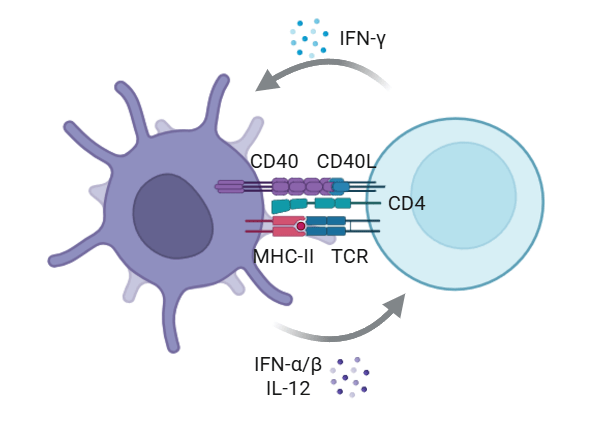
Without this migration from peripheral tissues to the lymphoid organs, the adaptive immune system would remain unaware of many invading pathogens. By continuously surveying the body’s tissues, processing foreign material, and delivering this information to T cells, dendritic cells ensure that immune responses are initiated only when necessary and directed toward the appropriate target. They represent one of the most important communication links within the immune system, allowing the body to transform the simple detection of a foreign substance into a coordinated and effective immune response.
In next week’s blog, we will continue exploring the biology of dendritic cells by examining how they distinguish between self and foreign antigens, maintain immune tolerance, and activate pro-inflammatory immune responses against invading pathogens.
References
Chapoval, S. P. (2018). Introductory Chapter: Dendritic Cells. In Dendritic Cells. IntechOpen.
Delves, P. J., Martin, S. J., Burton, D. R., & Roitt, I. M. (2017). Roitt’s Essential Immunology (13th ed.). Wiley-Blackwell.
Kimball, J. W. 15.4O: Dendritic Cells. LibreTexts.

