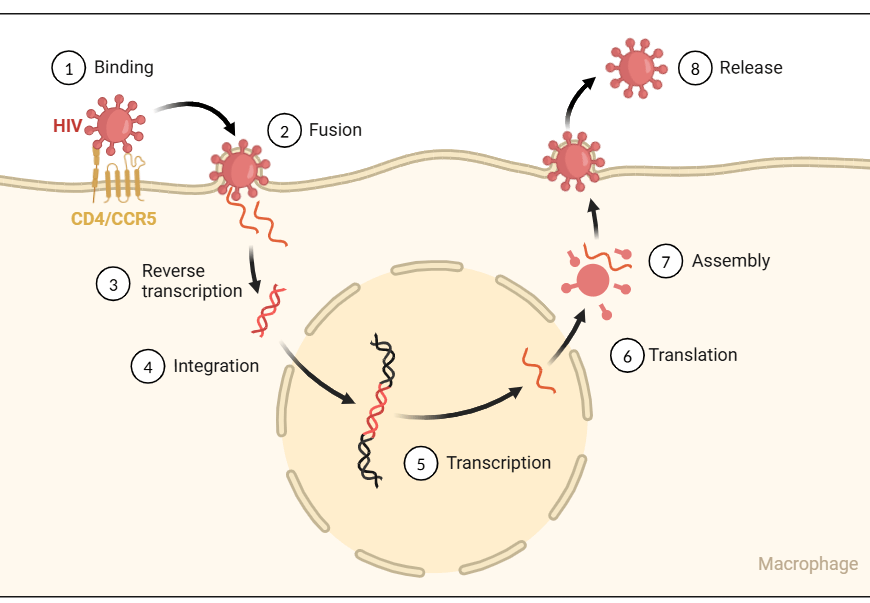
The Role of Toll-Like Receptors in HIV: Bridging Innate & Adaptive Immunity

The human immune system is a sophisticated network designed to detect and eliminate pathogens, but some viruses, like HIV, have evolved ingenious mechanisms to exploit its defenses. One of HIV’s strategies involves manipulating Toll-like receptors (TLRs), critical components of the innate immune system that detect pathogen-associated molecular patterns (PAMPs) and initiate immune responses. This article explores how the HIV virus interacts with TLRs, particularly on … Continue reading The Role of Toll-Like Receptors in HIV: Bridging Innate & Adaptive Immunity

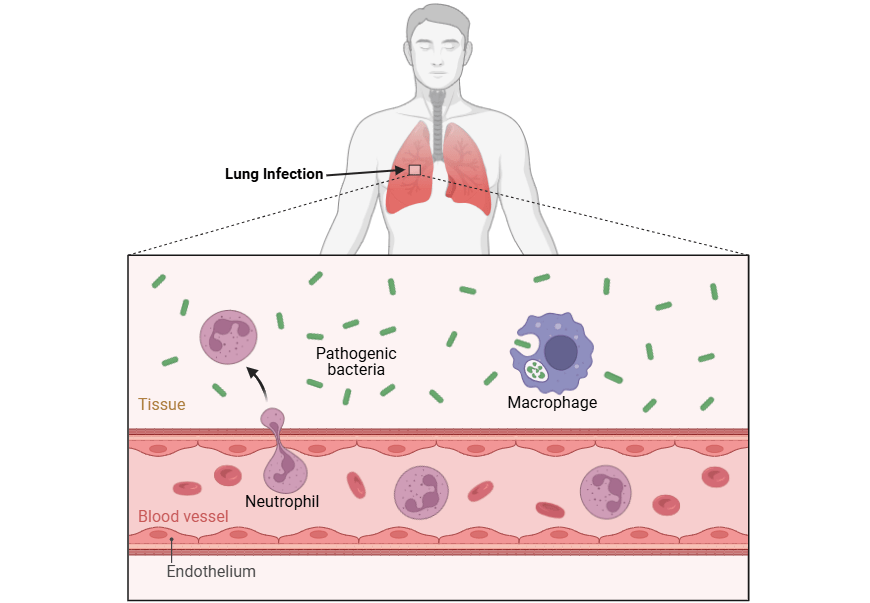
Macrophages: The Frontline Detectives of the Innate Immune System

The immune system is constantly on guard, ready to combat an array of potential threats. At the heart of this defense lies the innate immune system, which serves as the body’s first line of protection against infections. Among its key players are macrophages, highly versatile phagocytic cells that act as sentinels, capable of detecting and responding to invading pathogens with remarkable precision. Macrophages achieve this … Continue reading Macrophages: The Frontline Detectives of the Innate Immune System

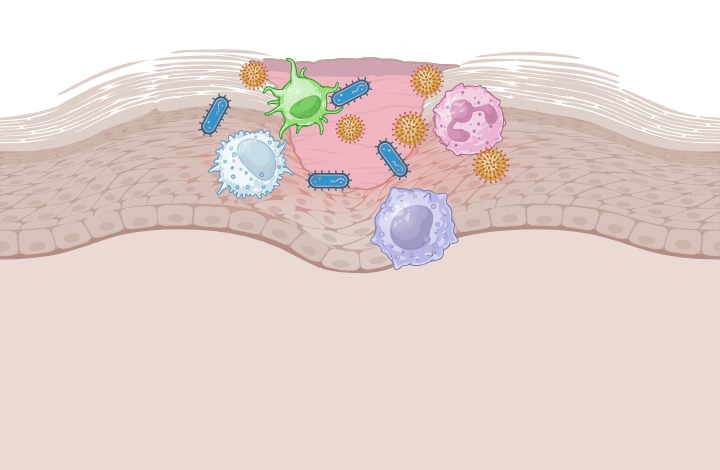
The Infectious Process

The human body is equipped with remarkable defense mechanisms to protect against the constant threat of microbial invasion. At the forefront of these defenses is the epithelial barrier—a physical and biochemical shield that prevents pathogens from entering your body. This barrier is not only the first line of defense but also a critical determinant of whether an infection can take hold. As long as the … Continue reading The Infectious Process

The Innate Immune Response

The immune response is crucial to preventing infection, promoting wound healing, and maintaining your body’s internal equilibrium. The overall immune response consists of 2 distinct immune systems – the innate immune system and the adaptive immune system. The innate immune response is the first to react to the infiltration of a pathogen or onset of a wound. Let’s dive into the complexities of the innate … Continue reading The Innate Immune Response

Initiation of an Inflammatory Response

The inflammatory response is crucial to protecting our body from injury and infection. The collaborative coordination of immune cells to specifically target and eliminate infection while also working to heal lacerations is essential to our survival. To understand the mechanisms behind inflammatory signaling, we must first address the clinical signs of an inflammatory response as well as how an inflammatory response is initiated. Everyone has … Continue reading Initiation of an Inflammatory Response

B Cells vs T Cells – How Do These Cell Types Recognize Antigens Differently?

The adaptive immune system is incredibly robust, recognizing and eliminating a variety of different pathogenic contexts. The driving force behind the adaptive immune system are B and T cells. These cells have the same generic function – eliminate specific foreign invaders via antigen recognition. Remember from our previous Immunology blog that antigens are anything that the immune system can recognize, which is not limited to … Continue reading B Cells vs T Cells – How Do These Cell Types Recognize Antigens Differently?

Antigen Recognition Molecules

In the complex world of immunology, antigen recognition molecules play a crucial role in identifying and responding to pathogens. These molecules are structured with two distinct components that each contribute to their function. The first component, known as the variable regions, serves as the specific antigen binding sites, allowing the immune system to target a diverse range of antigens. Complementing this, the second component is … Continue reading Antigen Recognition Molecules

Lymphocytes & The Process of Antigen Recognition

Lymphocytes, consisting of T-Cell, B-Cell, and Natural Killer Cells, are the attacking force of the acquired/adaptive immune system. Their overarching function is to selectively target and eliminate a wide variety of invading pathogens. Now, you may be wondering what exactly is the process that enables T-Cells and B-Cells to successfully eliminate different foreign bodies. The answer lies in ligand-receptor binding. To begin, let’s define and … Continue reading Lymphocytes & The Process of Antigen Recognition

The Clonal Selection Hypothesis

The immune system showcases a diverse array of specialized cells, each with distinct functions, capabilities, and specificities. What many may not realize is that all of these immune cells originate from a single type of cell—the hematopoietic stem cell. The normal differentiation of hematopoietic stem cells occurs in three main steps: It’s crucial to note that differentiation is a one-way street. Once a cell commits … Continue reading The Clonal Selection Hypothesis

The Phases of the Immune Response

The immune system has one primary task: protecting the body by eliminating foreign pathogens while avoiding attacks on self. To fulfill this duty, the immune system must perform several critical functions: For the immune system to effectively execute these tasks, it must possess: These attributes collectively empower the immune system to defend the body against pathogens while preserving its own tissues and functions. Having reviewed … Continue reading The Phases of the Immune Response