Connective Tissue: The Body’s Structural Network (Tissues Part 2)

When we think of tissues in the body, most people picture muscles that move us or skin that protects us; but one of the most versatile and essential types of tissue is connective tissue, which is the biological “glue” that holds everything together within our body. Connective tissue doesn’t just bind and support; it cushions, protects, stores energy, transports nutrients, and even helps fight infections. … Continue reading Connective Tissue: The Body’s Structural Network (Tissues Part 2)

How Tiny Cells Build a Working Human (Tissues Part 1)

Why Tissues Matter If you’ve ever looked through a microscope, you know that cells are tiny, but together, they form the very fabric of life. In the human body, these microscopic building blocks don’t just float around on their own; they team up to form tissues, which are organized groups of similar cells working toward a common goal. Broadly, the body relies on four major … Continue reading How Tiny Cells Build a Working Human (Tissues Part 1)

The Endocrine System — Your Body’s Silent Messenger Network

Imagine a world-class orchestra playing a flawless symphony. Every instrument—the strings, the brass, the percussion—follows the conductor’s cue in perfect timing to create harmony. Now imagine your body doing the very same thing, only instead of instruments, it is made up of organs, cells, and hormones. Its conductor is the endocrine system. Welcome to the backstage controls of your body’s most overlooked system—one that discreetly sends chemical messages that regulate everything from your sleep and metabolism to your ability to grow. What … Continue reading The Endocrine System — Your Body’s Silent Messenger Network

How Your Body Protects and Powers Every Inhale and Exhale

We’ve now followed oxygen’s journey from the nose to the alveoli, where it enters the bloodstream and carbon dioxide exits. But we haven’t yet explored the powerful mechanisms and protective structures that make this exchange possible. Breathing isn’t just about lungs—it’s about muscles, bones, membranes, and pressure gradients, all working in harmony to keep air moving in and out of your body. Let’s take a … Continue reading How Your Body Protects and Powers Every Inhale and Exhale

Journey Through the Lower Respiratory Tract and Gas Exchange Structures

Welcome back to our deep dive into the respiratory system! In Part 1, we explored how your nose, pharynx, and larynx work together to warm, filter, and humidify the air you breathe. Now, we descend further into the lungs, tracing the path of oxygen from your throat to the smallest air sacs in your body. This is where gas exchange—perhaps the most critical function for … Continue reading Journey Through the Lower Respiratory Tract and Gas Exchange Structures

A Breath of Life: Exploring the Upper Respiratory Tract

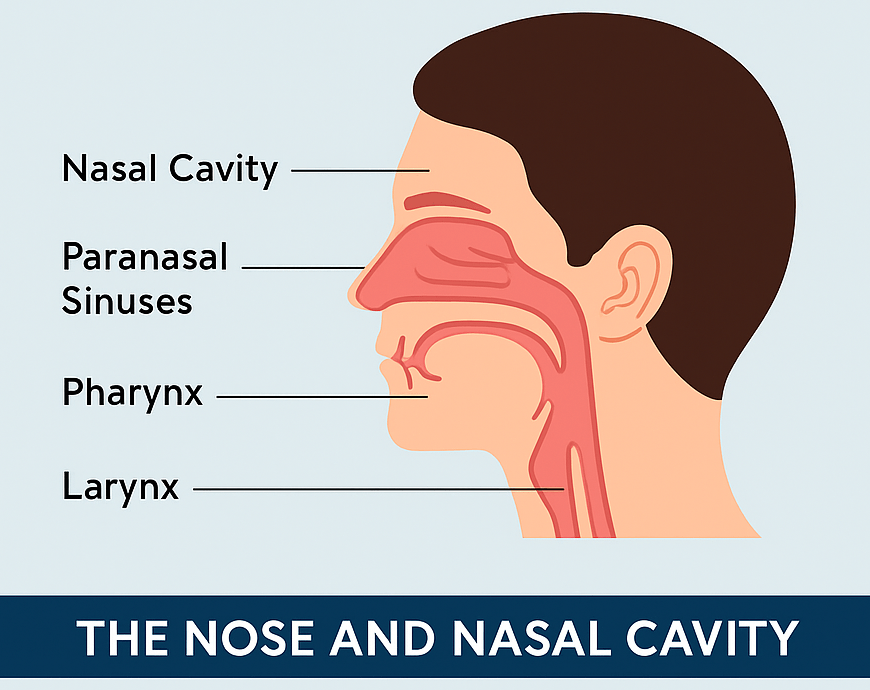
Have you ever stopped to think about how your body breathes—how oxygen gets into your bloodstream or how your lungs know when to inhale or exhale? Breathing is such an automatic part of life that we rarely give it a second thought. But behind each breath is a complex and beautifully coordinated system—the respiratory system—working tirelessly to keep us alive. Let’s begin our journey through … Continue reading A Breath of Life: Exploring the Upper Respiratory Tract

The Role of Toll-Like Receptors in HIV: Bridging Innate & Adaptive Immunity

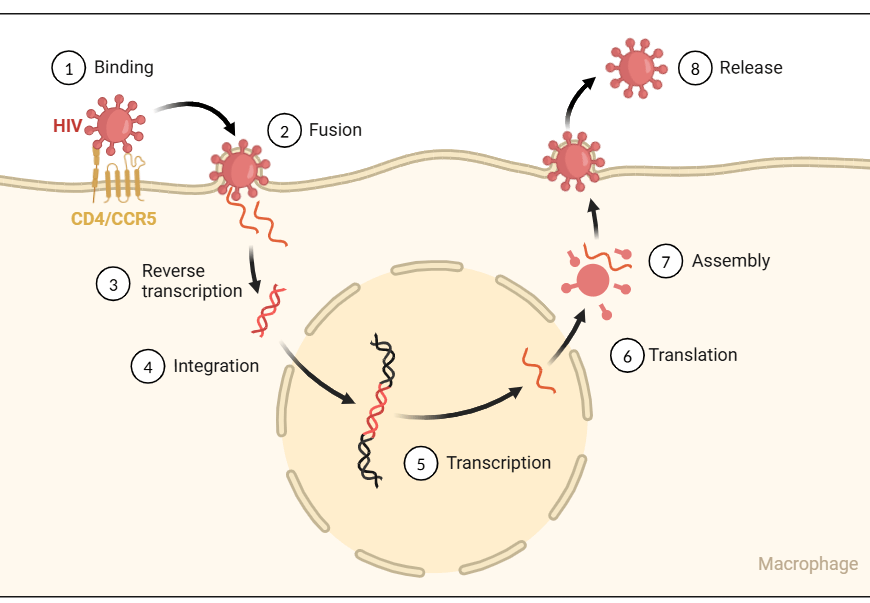
The human immune system is a sophisticated network designed to detect and eliminate pathogens, but some viruses, like HIV, have evolved ingenious mechanisms to exploit its defenses. One of HIV’s strategies involves manipulating Toll-like receptors (TLRs), critical components of the innate immune system that detect pathogen-associated molecular patterns (PAMPs) and initiate immune responses. This article explores how the HIV virus interacts with TLRs, particularly on … Continue reading The Role of Toll-Like Receptors in HIV: Bridging Innate & Adaptive Immunity

Macrophages: The Frontline Detectives of the Innate Immune System

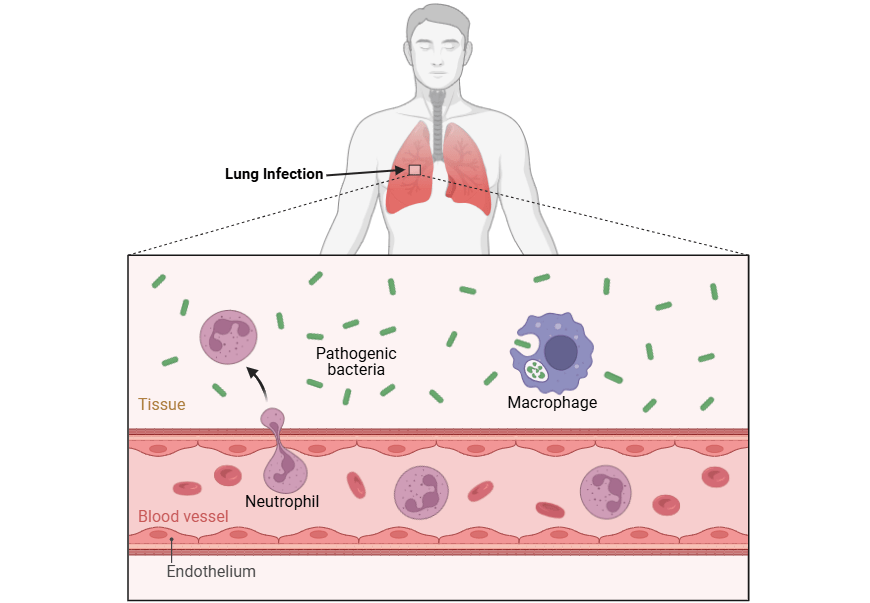
The immune system is constantly on guard, ready to combat an array of potential threats. At the heart of this defense lies the innate immune system, which serves as the body’s first line of protection against infections. Among its key players are macrophages, highly versatile phagocytic cells that act as sentinels, capable of detecting and responding to invading pathogens with remarkable precision. Macrophages achieve this … Continue reading Macrophages: The Frontline Detectives of the Innate Immune System

The Infectious Process

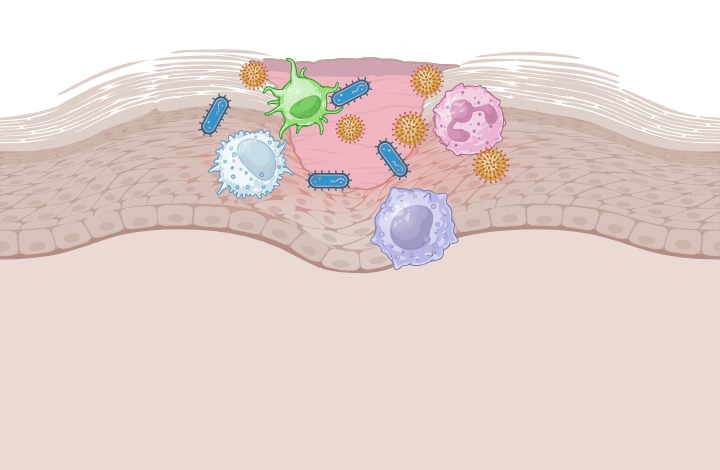
The human body is equipped with remarkable defense mechanisms to protect against the constant threat of microbial invasion. At the forefront of these defenses is the epithelial barrier—a physical and biochemical shield that prevents pathogens from entering your body. This barrier is not only the first line of defense but also a critical determinant of whether an infection can take hold. As long as the … Continue reading The Infectious Process

The Innate Immune Response

The immune response is crucial to preventing infection, promoting wound healing, and maintaining your body’s internal equilibrium. The overall immune response consists of 2 distinct immune systems – the innate immune system and the adaptive immune system. The innate immune response is the first to react to the infiltration of a pathogen or onset of a wound. Let’s dive into the complexities of the innate … Continue reading The Innate Immune Response