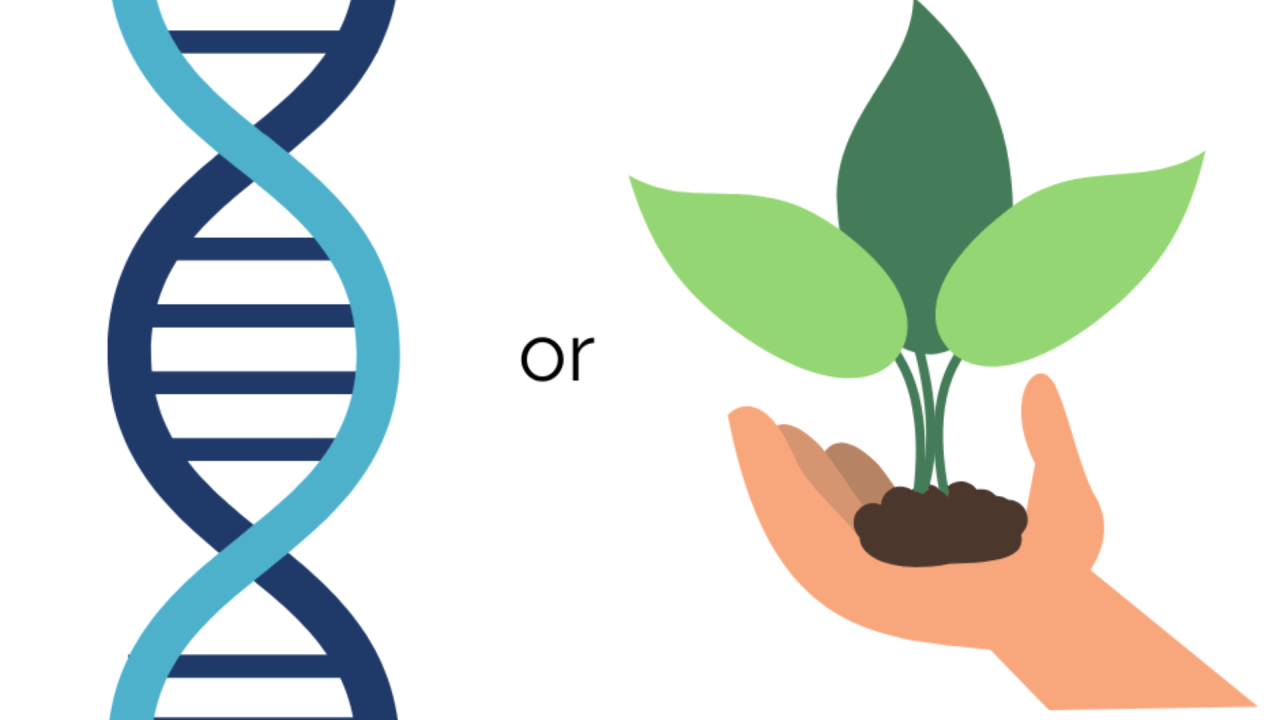
There has been a longstanding debate in the realms of psychology and medicine regarding the factors that influence one’s personality. The age-old question persists: Is it nature or nurture that plays a predominant role? Moreover, how do these two concepts intricately mold the personality and subsequent behavior of each individual? In this blog, we hope explore the intricate relationship among nature, nurture, and human diversity.
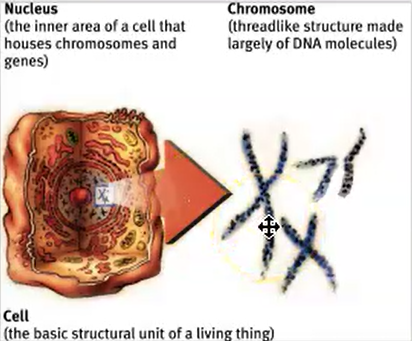
To understand the “nature” versus “nurture” argument, let us first define and explore a few key terms. To start off, behavioral geneticists work to examine individual differences and assess the relative impacts of heredity—how our genes are transmitted from parents to offspring—and the environment on behavior. The environment encompasses all non-genetic influences, ranging from prenatal nutrition to the people and stimuli we encounter in our surroundings. When delving into the hereditary aspect and the “nature” of our personality, a crucial focus is on genes, our life-coding sequences. Genes, manifested as segments of DNA (deoxyribonucleic acid), are housed within chromosomes, thread-like structures situated in the nucleus of eukaryotic cells. To delve deeper, segments within DNA comprise genes, responsible for producing proteins that dictate our development. Unlike eukaryotic cells, prokaryotic cells lack nuclei so their chromosomes freely float in the cell cytoplasm but the overall function of genes as the code for life still remains the same. Another key term to clarify is the genome, which the complete set of instructions for creating an organism, encompassing all genes specific to that organism class. Consequently, the human genome defines our humanity, while the genome of Drosophila determines its identity as a common housefly.
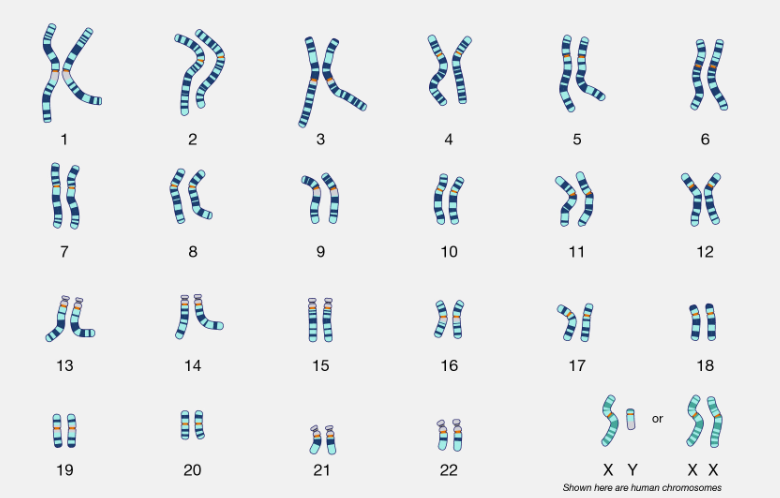
The image on the right displays a karyotype, representing the complete set of an individual’s chromosomes. Specifically, the image showcases a human karyotype, detailing the presence of each of the 46 chromosomes. Researchers generate karyotypes by drawing an individual’s blood, extracting and running the blood to organize the chromosomes by size. This process elucidates the content of each chromosome and identifies any potential absence or abnormalities.
Let’s delve into the intricate interaction between genes and the environment. Genes exert influence on traits, thereby shaping our responses, while the environment has the capacity to modulate gene activity. Consider, for instance, a child with a fundamental genetic predisposition that makes them naturally restless and hyperactive. If the child’s actions provoke an angry response from their parents, the resulting stressful environment can stimulate the child’s genes to produce specific neurotransmitters, potentially leading to a depressive response. In this context, if the child consistently experiences the same angry parental response whenever they exhibit restlessness, over time, the child may develop an environmentally-induced response pattern, resulting in depression. Consequently, whenever the child encounters anxiety, this learned response is likely to manifest, even if the parents are not present. This example highlights the idea that even a minor alteration in the environment or its response can prompt distinct behavioral patterns, driven by the chemical reactions specific to that particular situation.
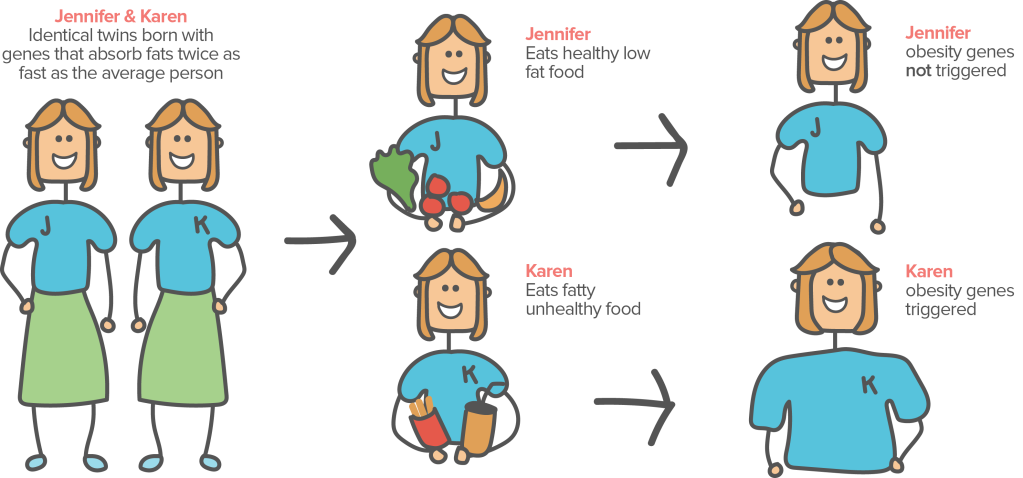
It is crucial to emphasize that certain traits exhibit varying levels of heritability, signifying the likelihood of inheriting them from your parents. Notably, traits such as height and temperament (an individual’s stable emotional reactivity and intensity) are among the most heritable. For example, identical twins often demonstrate similar temperaments, implying a genetic predisposition for temperament. As environments become more alike, the significance of heredity as a source of differentiation grows, given the diminishing impact of environmental differences. Numerous pivotal studies in this field have centered around identical twins, leveraging the experimental controls inherent in their shared genetic makeup resulting from the division of a single female egg post-fertilization. This unique genetic similarity enables researchers to maintain constancy in the hereditary variable while manipulating the experimental variable—environment—between the twins. This approach allows for an examination of the extent to which the environment influences an individual’s personality and behavior. In cases where twins are raised in the same environment, the similarity of their environments indicates that most differences observed between them result from genetic variations. Conversely, when examining twins brought up in distinct environments, differences arise due to their disparate experiences.
Understanding that genes and the environment individually impact our traits, it is crucial to recognize the significance of their combined interactions in our development. Evolutionary psychology delves into the study of how genes and the environment interact over time, influencing human development. Specifically, it explores the reasons for our shared traits as humans within the context of behavioral evolution and changes in the brain, employing the principles of natural selection. Natural selection, an evolutionary process, operates by passing on adaptive traits to successive generations, as these traits are believed to enhance the survival and reproduction of animals. For example, surviving and reproducing contribute to the ongoing success and survival of a species. If you wish to delve deeper into the concept of natural selection, I recommend revisiting my Basic Biology Blog Post titled “Darwin’s Theory of Natural Selection” which is linked in the comments below.
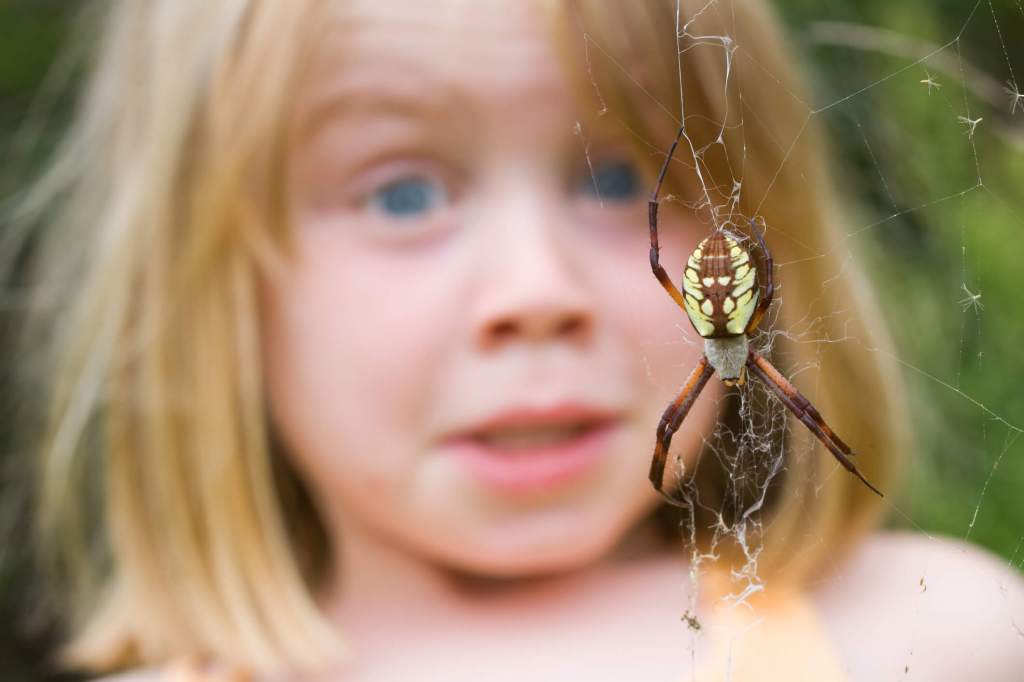
Natural selection operates to favor traits that are advantageous for human survival and reproduction. These advantageous traits encompass mental capacities like language acquisition, the ability to discern and cooperate with others’ emotions, and a preference for healthier and more fertile mates. Moreover, certain human traits have emerged as a result of selective pressures. For instance, studies involving young children prompt questions such as why infants exhibit fear of strangers when they become mobile, or why individuals fear spiders and snakes more than electricity and guns. These fears, identified as evolutionary and innate, played a role in shaping our species for survival. This suggests that the environment our ancestors faced was challenging and harsh, leading them to avoid threats like spiders and snakes to ensure their survival. This historical context also provides a potential explanation for present-day fears, such as the fear of heights. Fears, including these innate ones, are among the common qualities inherited from our ancestors. Another intriguing inquiry has also risen through evolutionary biology: How are men and women similar? And what accounts for the differences in men’s and women’s sexuality?
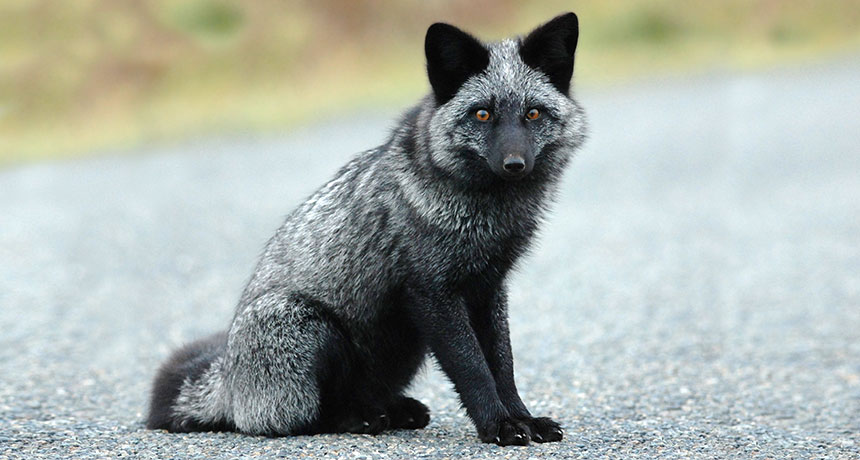
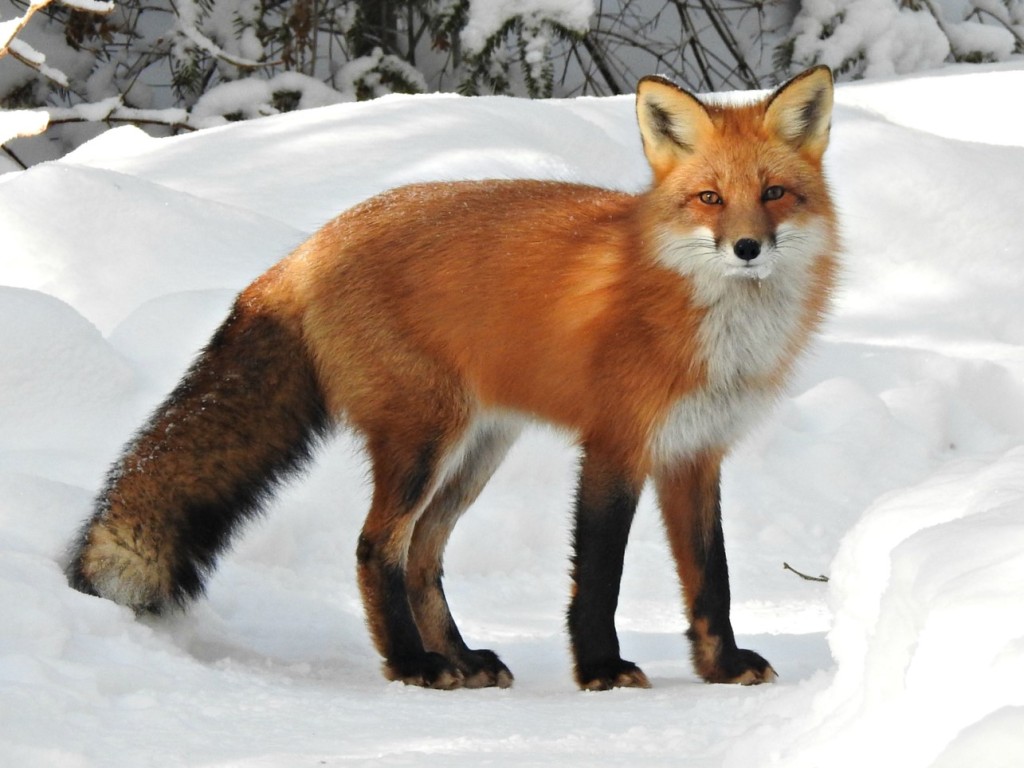
In contrast to natural selection, artificial selection provides humans with a means to influence the preference and appearance of specific traits. One notable instance of artificial selection occurred in 1999 when biologists Belyaev and Trut successfully undertook the artificial rearing and domestication of wild foxes by selecting for friendly traits. This demonstrates the capacity to artificially alter personality based on selected behavioral traits, such as friendliness. The biologists systematically chose the most docile foxes from each generation, facilitating their breeding with one another. Through several generations of selecting and breeding the most docile individuals, they were able to transform the overall personality of their fox population. This intentional breeding experiment also influenced the expression of other genes linked to the targeted personality traits. For example, the calm and docile foxes tended to exhibit qualities like increased fluffiness and a puppy-like appearance. These attributes became more appealing to humans, aiding in the foxes’ suitability for survival. Conversely, foxes displaying feral and aggressive behaviors, akin to wild foxes, exhibited a different coat color. These traits, undesirable for human caretakers, created a clear link between physical experience, personality, and trait expression. Another illustration of physical traits being subject to artificial selection is Charles Darwin’s selection of pigeons, where specific pairs were chosen to control beak size, feather color, and overall appearance in order to shape the pigeon population.
Now that we understand the basis of what constitutes nature and nurture, let us talk about the types of studies conducted in this field. In general, researchers trying to elucidate the effects of nature and nurture primarily conduct 2 types of studies: twin studies and feral children studies.
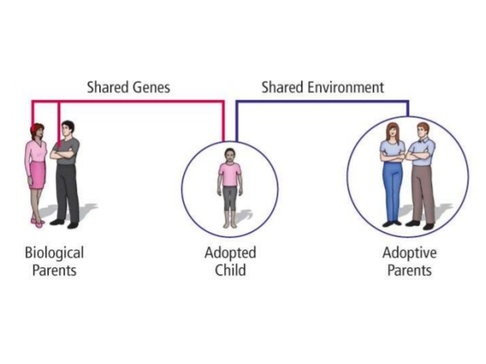
As previously mentioned, in twin studies, researchers used to separate identical twins at birth and raise them in different environments to observe the extent of their similarities or differences. During these studies, naturalistic observations were conducted, with researchers refraining from interference to assess the twins’ inherent traits. The findings indicated that identical twins exhibited significant similarity, particularly in personality traits, suggesting the presence of deeply ingrained components of personality. It’s important to note that such practices are considered highly unethical, and these types of studies are no longer permitted within the research field in the 21st century. However, in cases where children are given up for adoption, researchers can still observe differences in personality and behavior between identical twins who grew up in different environments, provided there is awareness of their biological relation. This approach does not constitute an experiment but rather an observation-based case study.
Other studies have been conducted, revealing that personality is significantly influenced by the environment. These investigations focused on “feral children,” although it is important to note that such studies are now considered entirely unethical. In these cases, researchers observed feral children who, due to acts of abuse or abandonment, were left to be raised by non-human organisms, specifically, wild animals. One prominent example is the case of a young girl named Oxana, who was left in her yard to be raised by dogs. Growing up in the company of these animals, she learned from them, adopting animalistic characteristics. The absence of human interaction during her formative years meant she never acquired the essential skills to behave as a human. Consequently, her brain and personality did not develop in the typical human manner, leading to a stunted development of intelligence. Years of therapy and rehabilitation centers were required to help her learn to act and engage normally with humans and reintegrate into society, although her interactions remain somewhat limited. These feral children studies showcase the profound impact of the environment on cognitive development and personality. They emphasize the stark difference in outcomes based on whether an individual is raised by caring human parents or non-human organisms, highlighting the substantial environmental influence on personality.
In summary, both environmental and biological factors intertwine to shape the development of a child’s cognitive functions, behavior, and personality. It’s not a matter of one category dominating the other; instead, these influences complement each other, contributing to an individual’s optimal opportunity for survival. We’ve also explored various research experiments and their contributions to our current understanding in the field of biopsychology. However, please understand that such experiments are entirely unethical and inhumane, and rightly so, are no longer conducted. Please stay tuned for our next blog post, where we’ll delve into the influences of birth order on a child’s personality and development!
 BioLogically
Check out the link below to learn more about Darwin’s Theory of Natural Selection!
LikeLike