Brain Structure & Function

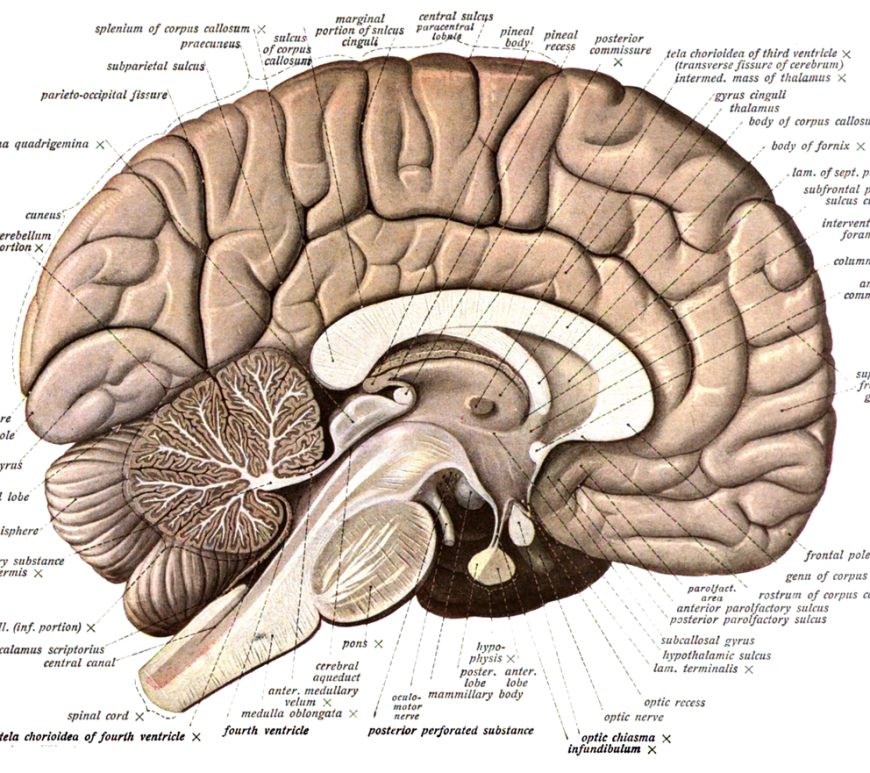
When looking at brain structure and function, the starting point for any learner is understanding the lobes of the brain. There are 4 main lobes – Frontal, Parietal, Temporal, and Occipital. Each lobe of the brain has a distinct function. The frontal lobe is known as the executive portion of our brain because it is in charge of planning, voluntary muscle movements, decision-making, personality, and … Continue reading Brain Structure & Function

Brain Dominance

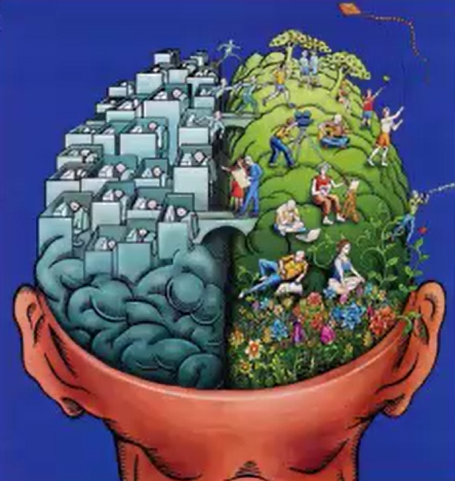
The first brain cell of the body, a neuron, begins in the womb. On the forty-second day of life, the neuron begins to develop. During the next one hundred twenty days, the brain will develop approximately 100 billion neurons at a rate of 9,500 neurons per second. Additionally, about 60 days before birth, each neuron begins to establish connections with other cells.  Unlike any other … Continue reading Brain Dominance

Reflexes v. Reactions

A reflex is something that is stereotyped in form, meaning that all members of a certain species will have that same reflex; reflexes can also be recognized in all normal members of a species. As reflexes are built in an organism, they do not need to be learned. Snakes, for example, are born with all of the reflexes they need for survival. They emerge from … Continue reading Reflexes v. Reactions

The Nervous System

Neurons are the cells in our nervous system that are involved in signaling messages to the various parts of our body. Neurons have basic components that can be easily recognized; These components include the cell body, which is the cell’s control center, the dendrites, which receive messages from surrounding neurons, the axon, which runs away from the cell body and towards other cells, and the … Continue reading The Nervous System

Neural Communication

Biopsychology is a branch of psychology that deals specifically with how the brain and neurotransmitters act upon the body, influencing what we do, say, and feel. In other words, it is the biology of the mind. This field leans heavily on neuroscience and includes the study of the nervous system. Anatomy, physiology, and statistics are also essential in the study of biopsychology.  Understanding the nervous … Continue reading Neural Communication