
The phrase “he seems like an only child” is commonly employed as a backhanded insult to characterize someone displaying traits such as a lack of empathy, selfishness, oversensitivity, and difficulty collaborating with others. Have you ever wondered if these stereotypes and generalizations about the “only child” group are substantiated by scientific evidence? Well, the classification of personality types has been explained through the lens of Birth Order.
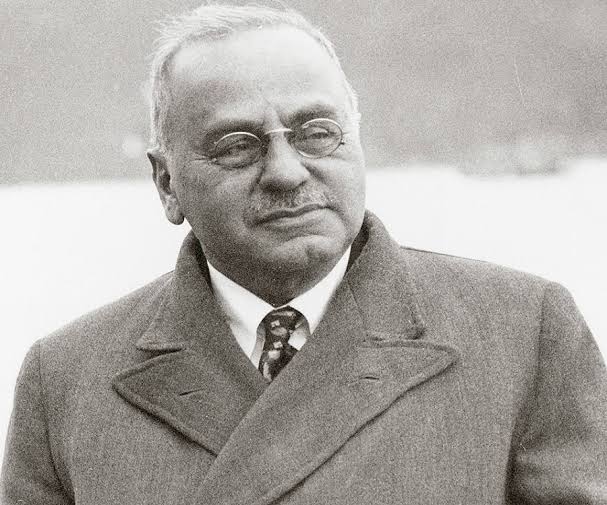
The Birth Order theory, formulated in the early 1900s by Alfred Adler, proposes that the order in which a child is born among their siblings significantly shapes their development, behavior, and personality. The Birth Order concept does not imply there are solely biological differences depending on the sequence of birth. Instead, it claims that parents, whether intentionally or unintentionally, assign distinct roles to their children based on birth order. They treat each child differently, creating unique environments and expectations corresponding to their designated order. The
Now, imagine a scenario where there is a 5-year age gap between you and your only younger sibling. Psychologists might categorize your personality as that of the firstborn child, or alternatively, you could exhibit traits akin to being an only child due to the significant age difference. At times, you may even display characteristics associated with both being an only child and the firstborn. Throughout this article, I hope that you reflect on your position within your family and assess whether the described traits align with your birth order.
Let’s explore the classic characteristics associated with children based on birth order. Consider the three personality traits listed below and contemplate which one aligns best with your own characteristics.
- Manipulative, charming, blames others, shows off, people person, good salesperson, precocious
- Mediator, fewest pictures in the family photo album, avoids conflict, independent, extreme loyalty to the peer group, many friends
- Perfectionist, reliable, list-maker, well-organized, critical, serious, scholarly
Based on what research tells us, if you think that you are most likely …
- Number 1 – you may be the youngest child in the family
- Number 2 – you may be the middle child in the family
- Number 3 – you may be the first born child in the family
I chose number 3, and in my case, it was spot on. Do any of these match what you thought about yourself? Do you think that these tests are accurate?
Let’s continue and take a look at the “first-born” children in a family. These are some common characteristics & feelings that have been associated with first born children:
- “Everyone depends on me.”
- “I can’t get away with anything.”
- “I don’t get to be a kid.”
- “Why do I have to do it? Nobody else does anything around here.
- “How come I’m responsible for what my little brother or sister did?”
First-borns tend to have a lot of personality traits such as:
- Confident
- Determined
- Born Leader
- Organized
- Eager to please
- Likes to avoid trouble
Society tends to consider firstborns to be our “little adults.” This makes logical sense since first time parents tend to place higher expectations of success and greater responsibilities on their first child. This “stress” early on in a child’s environment forces them to develop a greater sense of responsibility and ambition.
How about the middle children? These are some common characteristics & feelings that have been associated with being the middle child:
- “I’m tired of being left out of things.”
- “Nobody understands me!”
- “Nobody ever listens to me!”
- “I’m always in the shadow of my older sister/brother.”
- “My youngest brother/sister gets away with everything.”
For personality traits, children who are the middle child tend to be:
- Nonchalant & roll-with-it personality when dealing with challenges
- Great negotiators, because there are typically stuck in the middle of situations and arguments between their siblings
- Lots of loyal friends
Considering Adler’s postulate in a logical manner, the middle child finds themselves literally positioned between their two siblings. As a result, they observe the distinctions in how they are treated, with the eldest often receiving more responsibility and the youngest receiving more care. Moreover, as the middle child, they acknowledge that there are instances when they might receive less attention than their siblings. Being situated amidst situations involving their younger and older siblings, they naturally evolve into patient mediators.
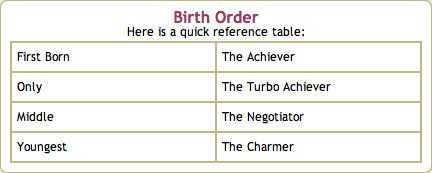
These are some common characteristics & feelings that have been associated with the youngest child:
- “I have to work hard to get other people to pay attention to me!”
- “Nobody takes me seriously.”
- “Everyone treats me like I am younger than I actually am.”
For personality traits, the youngest child tends to be:
- Persistent
- Great storytellers
- Affectionate
There is a prevalent argument suggesting that the youngest children receive more lenient parenting due to their parents’ accumulated experience in setting rules. Being the last child, parents often tend to coddle them, easily give in to their requests, and shield them from failure. Consequently, the youngest children may develop a sense of invincibility, often neglecting to consider the consequences of their actions.
Lastly, these are some common characteristics & feelings that have been associated with the only child:
- “I didn’t do as well as I should have.”
- “Sometimes I feel lonely.”
- “I would be much happier with a brother or sister.”
- “I’m not getting enough attention.”
For personality traits, only children tend to be:
- Very confident
- Pays attention to detail
- Good in school
- It’s MINE!
- Overly critical
The upbringing of an only child is characterized by factors like having exclusive use of their own room and not having to share living space with siblings. Additionally, parents can devote considerable time and attention solely to them, given their singular status. However, growing up without the need to establish relationships with siblings may pose challenges for the only child in developing social and collaborative skills. Simultaneously, akin to the firstborn, parents often place all their expectations and responsibilities on a single child in their pursuit to elicit pride.
These situations illustrate how every child’s environment and treatment within a family are inherently different, subsequently influencing their personality and character development. While the classifications and generalizations associated with each child’s birth order may seem reminiscent of a cliche movie, there is scientific and social truth to them.
It is important to understand hat when psychologists assert that birth order affects a child’s personality, they are emphasizing that the environment in which the child is raised, influenced by their birth order, shapes their development. The order itself is not the direct factor impacting personality development; rather, it is the household and family environment. However, it is also crucial to recognize that novel research over the past 5 years also suggests that there is also “chance biology and genetics” that influences which child gets which traits. This suggests that personality developments and character traits associated with a child’s birth order are a product of biological and environmental factors.
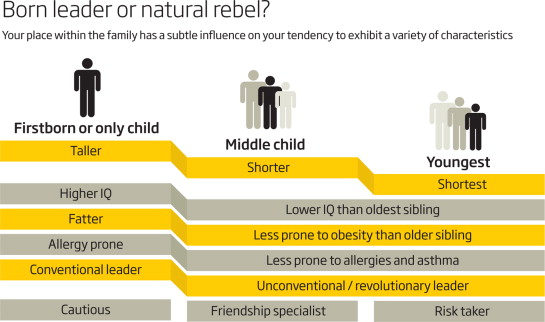
So, why does this matter? Birth Order psychology provides perspective on your experiences compared to others born in the same birth order. However, these birth order personality “stereotypes” may inaccurately predict your individual personality type. Your personality might not neatly fit into expert suggestions on where you should fall in terms of psychology. You may also exhibit a mix of personality traits based on your childhood environment and experiences.
It’s important to acknowledge that although birth order offers insights into behavior, it is not always accurate, and everyone should approach this information with a grain of salt. The consensus on the personality traits and characteristics of first-born or last-born individuals stems from generalized societal observations and case studies in research. These generalizations may not explain the traits of individuals who deviate from the research model.
Another consideration is that birth order significantly influences how parents treat and raise their children. Parents should strive to help each child see themselves as a unique individual, avoiding comparisons with siblings or others. If you plan to have children in the future, reflecting on how your parents raised you based on your birth order becomes crucial. For instance, if you were an only child, did you feel burdened with responsibility and held to higher expectations? If you were the youngest, did you sense that people consistently looked down on you? Considering these aspects is vital for fostering greater equity among your children in terms of their emotions and developmental experiences.
In our upcoming Biopsychology blog post, we will explore further into comprehending the influences on our personality, extending beyond birth order, and examining how these factors contribute to shaping the individuals we become today.
 BioLogically