Biology is the study of living organisms, including their interactions, chemical processes, physical structure, molecular workings, development, and evolution.
Biology is such a broad field that it is broken down into several specific branches, such as microbiology, zoology, botany, anatomy, and physiology. Contemporary biological discoveries are being made every day, with each discovery bringing us as a society closer to understanding the secrets of biology, though we still have a very long way to go. Remembering and organizing the various concepts of biology is truly a difficult task, but by understanding the main concepts, biology becomes less complicated.
The 5 fundamental themes of biology are as follows,
- Organization
- Information
- Energy and Matter
- Interactions
- Evolution
These themes layout an outline that structures this incredible study into easily understandable themes. These 5 themes are like the individual gears in a machine and only when they come together is the machine able to function. These 5 themes are the building blocks of biology. In today’s blog, we will be diving into the first theme, biological organization, to give you a general overview of what biology is all about.
Exploring Biological Organization
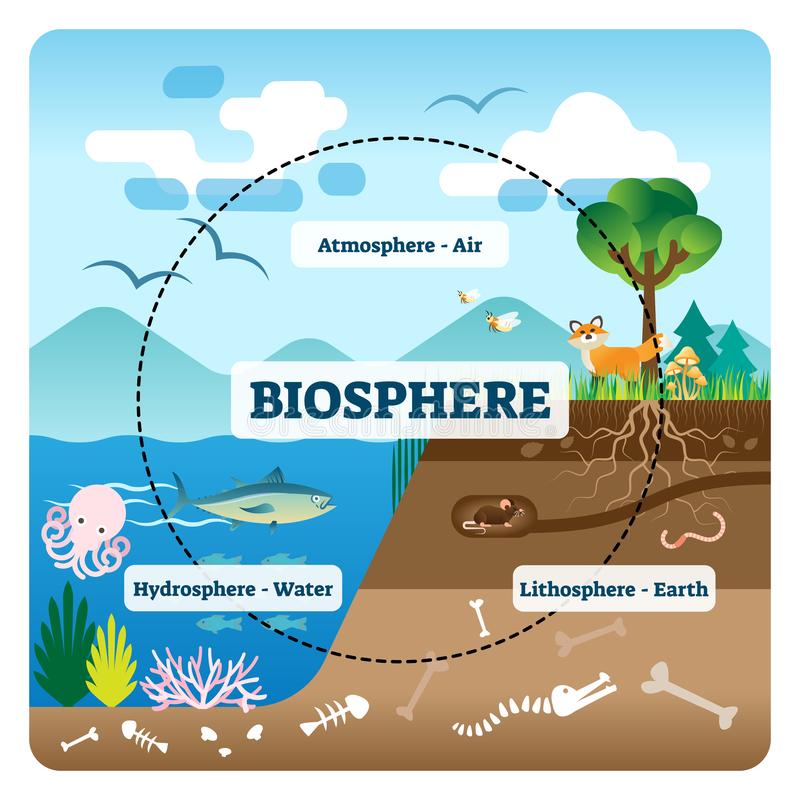
Biological organization is the idea of how living things are organized on Earth. The 5 main levels of organization, ranging from broad to specific, are the biosphere, ecosystems, communities, populations, and individual organisms.
Let us first talk about the biosphere. The biosphere includes all life on earth as well as all the areas where life exists, such as most regions of land, bodies of water, as well as the atmosphere.
Next, we have ecosystems. An ecosystem consists of all living organisms in a specific area, as well as non-living components that the organisms interact with, such as water, soil, or light. Examples of ecosystems are rainforests, deserts, savannas, and even coral reefs.
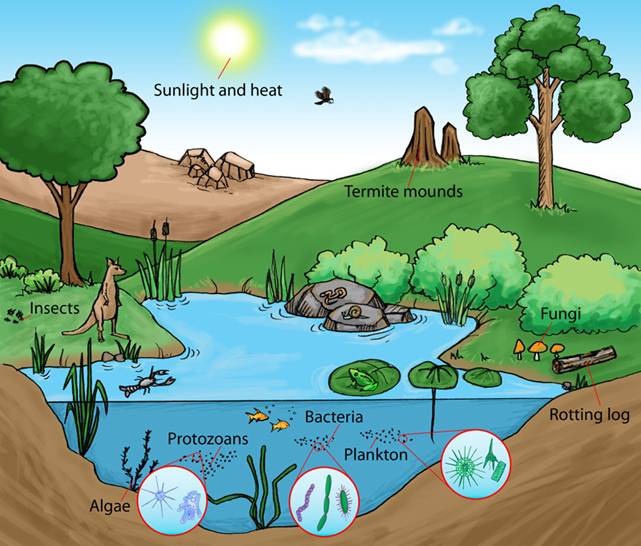
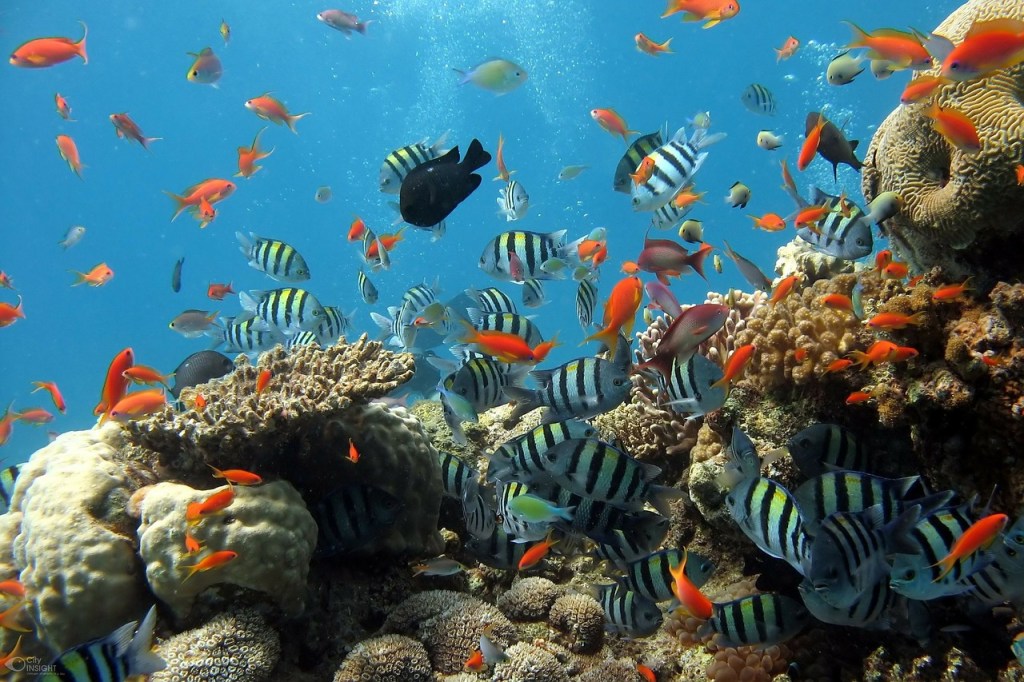
A community consists of different types of organisms inhabiting an area. Communities include various types of plants, animals, and microorganisms. For example, the community in our coral reef ecosystem consists of various types of fish, plankton, and coral. It is important to understand that each organism belongs to a particular species, which is a group of organisms that can only reproduce amongst themselves.
A population includes all the individuals of a certain species located in a specific area. An example of a population would be all the lions in Zimbabwe. You should remember that a community is made up of a collection of various populations inhabiting an area.
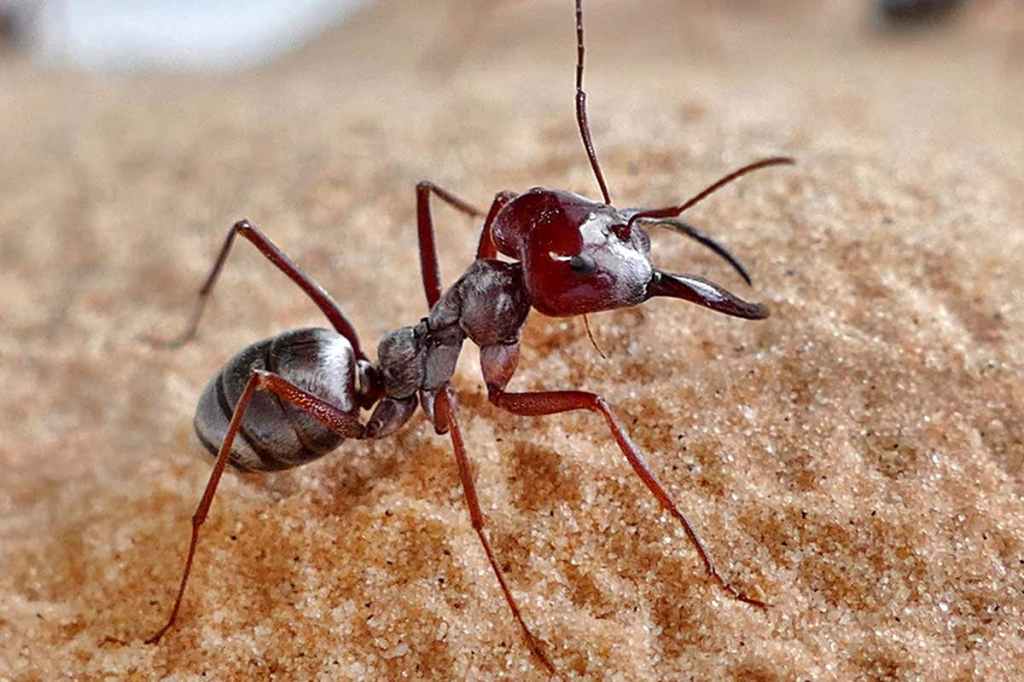
Finally, we come to an individual organism, which is an individual living thing. An example would be an individual ant in an ant colony.
Though you might think that an individual organism is the final level of biological organization, there are 5 other levels that are broken down from an individual organism. These 5 levels are created by the idea of reductionism, which is the reduction of complex systems into simpler components so that they can be understood more easily. Reductionism has propelled many biological findings, such as the discovery of DNA by Francis Crick and James Watson, which lead to the unearthing of the theory of biological inheritance. To gain an understanding of all the aspects of biology, you must look at its themes and ideas using the lenses of reductionism.
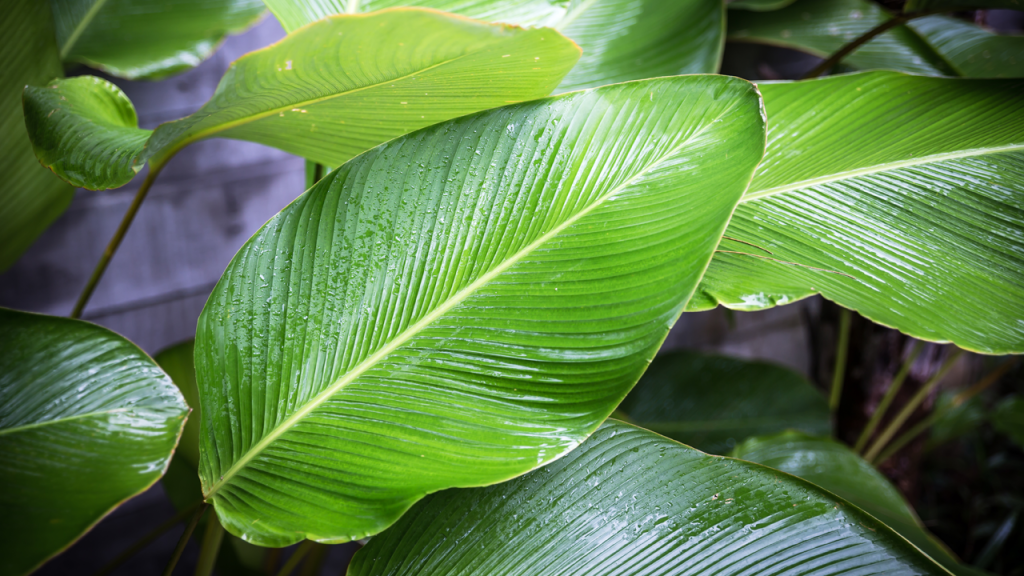
The first of these 5 levels is an Organ. An organ is a body part of an organism that is composed of multiple tissues and has a specific function within the body. An example of an organ would be a leaf of a plant or the skin of a human being.
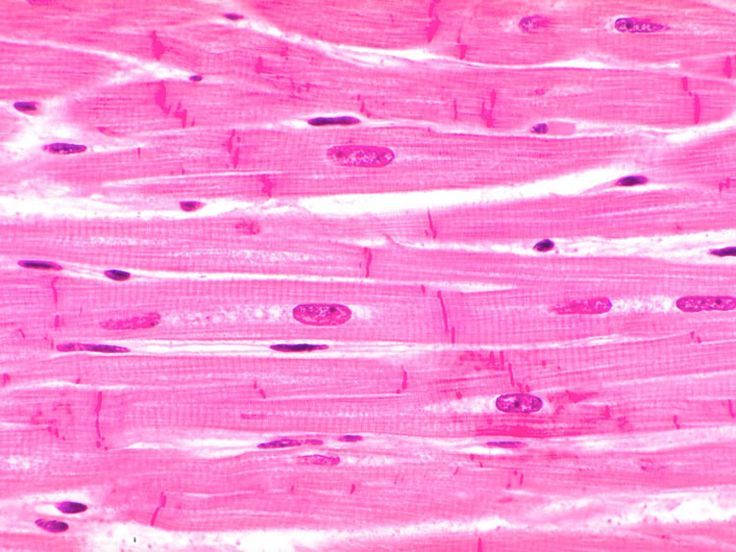
The next level after an organ is a tissue. Tissues are constructed by groups of cells that work together to perform a specialized function. An example of a tissue would be the honey-combed interior tissue of a leaf which is the location of the specialized function of photosynthesis. Another example would be cardiac muscle tissue, which works to maintain a strong, functioning heart.
Next are cells, which are at a microscopic level. Cells are the fundamental units of structure and function in life. Some organisms consist of just 1 cell and are termed single-celled organisms, such as certain bacteria. Other organisms such as humans are multicellular organisms because they are made of more than 1 cell. All of the body functions of a single-celled organism are performed by the one cell it’s composed of, whereas, in multicellular organisms, the body functions are separated and performed by specialized cell groups throughout the body.
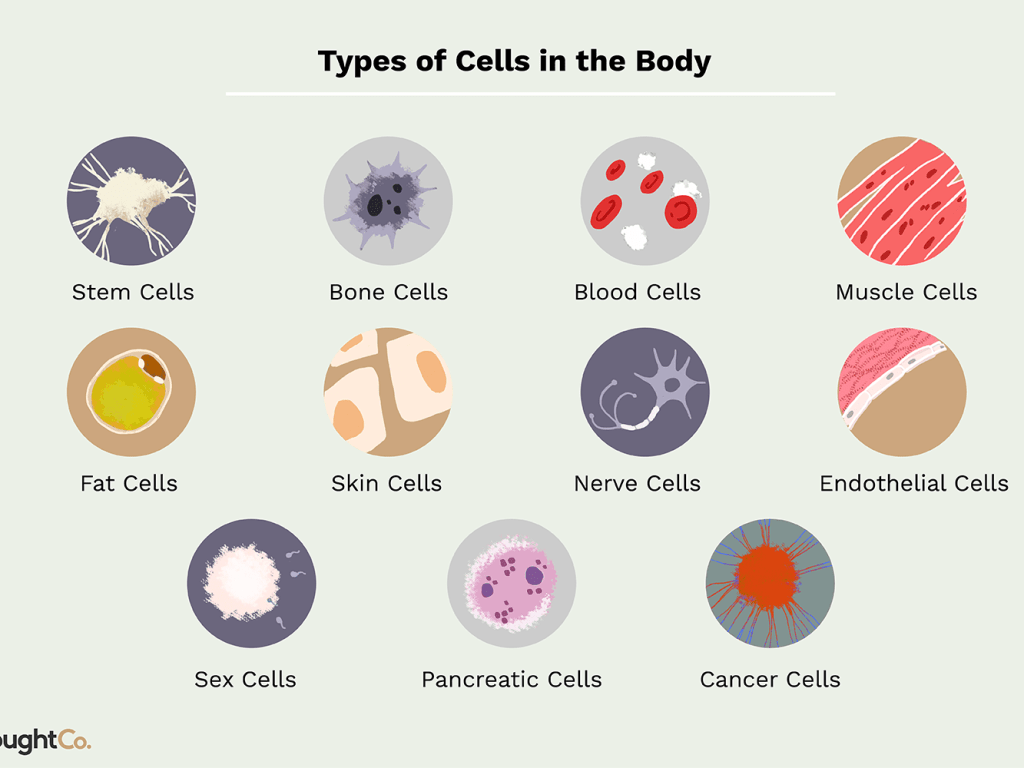
Next are organelles. Organelles are the various components that make up a cell. Organelles carry out the different functions of the cell and work to maintain the cell’s productivity. An example of an organelle would be a chloroplast which is a part of the plant cell that collects sunlight and conducts the photosynthesis process.
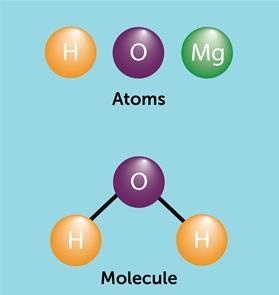
Finally, we have molecules. A molecule is a chemical structure consisting of 2 or more atoms. Molecules are what build an organelle, which in turn come together to create a functioning cell. For example, a chloroplast consists of millions of molecules that are organized into systems that convert light energy into chemical energy for food.
By looking at the molecular levels and then zooming out, we can see new and unique properties emerging at a certain level that isn’t seen in the level preceding it. These properties are known as emergent properties. Emergent properties are the arrangement and interaction of different parts within a level of biological organization. An example would be the heart. The heart, an organ, is composed of cardiac cells, also known as cardiomyocytes. Cardiac cells individually do not possess the ability to pump blood. Only when these cells are arranged together into the complex formation of the heart, can the heart pump blood throughout the body.

Emergent properties are not limited to life alone. For example, a pile of bicycle parts won’t be able to transport you anywhere, however, all the parts fitted together to form a bicycle will. Compared to nonliving things, biological emergent properties are much more complex, making them more difficult to fully comprehend.
To completely grasp the concept of biological emergent properties, scientists and researchers use both reductionism and systems biology. Systems biology is the exploration of a biological system by analyzing the interactions between its different parts.
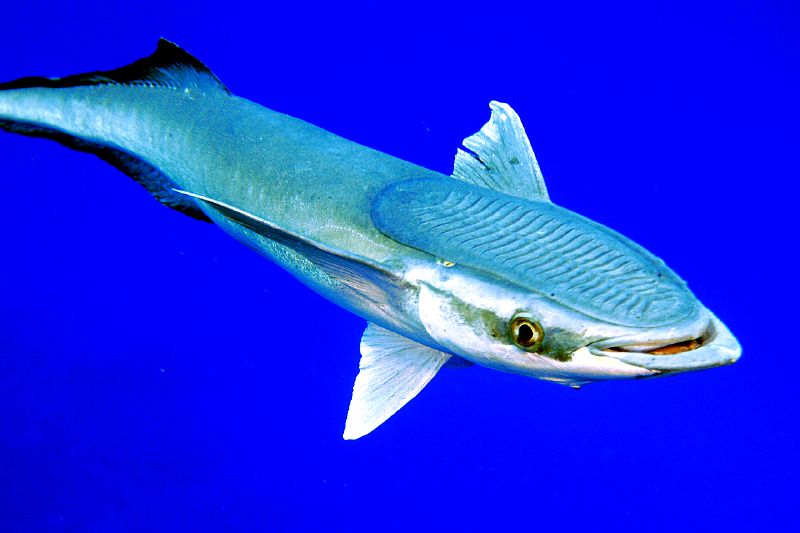
Each level of biological hierarchy possesses some type of correlation between structure and function. Consider a remora. Also known as a suckerfish, the remora has a flat, oval-shaped, sucking disk on the top of its head that it conveniently uses to attach itself onto bigger fish, like a tiger shark, to be able to scavenge for food. Analyzing the structure of organisms provides insight into its function and overall behavior.
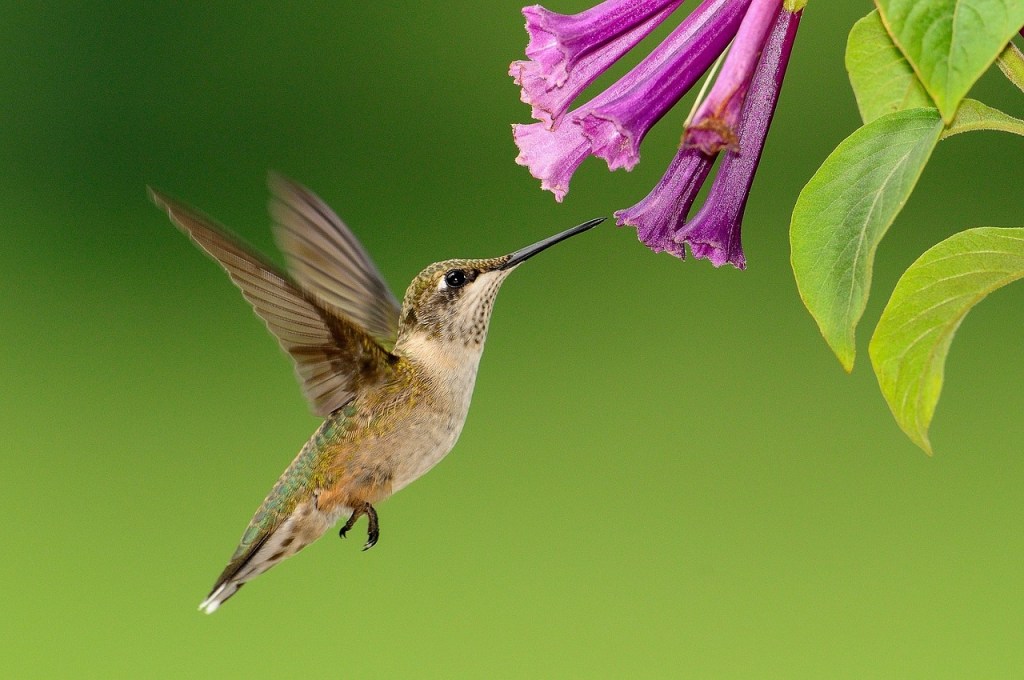
Conversely, knowing the function of an organism gives us clues to how it is structured and organized. Hummingbirds, for example, are known to have the ability to hover in place to drink the nectar out of flowers. So, to be able to hover, the hummingbird’s anatomy must be structured in a way that allows its wings to rotate at its shoulders. The incredible combination of structure and function in life forms is further explained by natural selection, which I will cover in upcoming posts.
 BioLogically